Microsoft Copilot Is Only 20% of the Journey: Why AI Adoption Determines Business Success
Microsoft Copilot AI adoption is not just a deployment project
Microsoft Copilot AI adoption is becoming one of the most critical priorities for organizations investing in Microsoft 365 and generative AI. Many companies assume that enabling Microsoft Copilot licenses will automatically lead to productivity gains, but real-world experience shows a very different outcome.
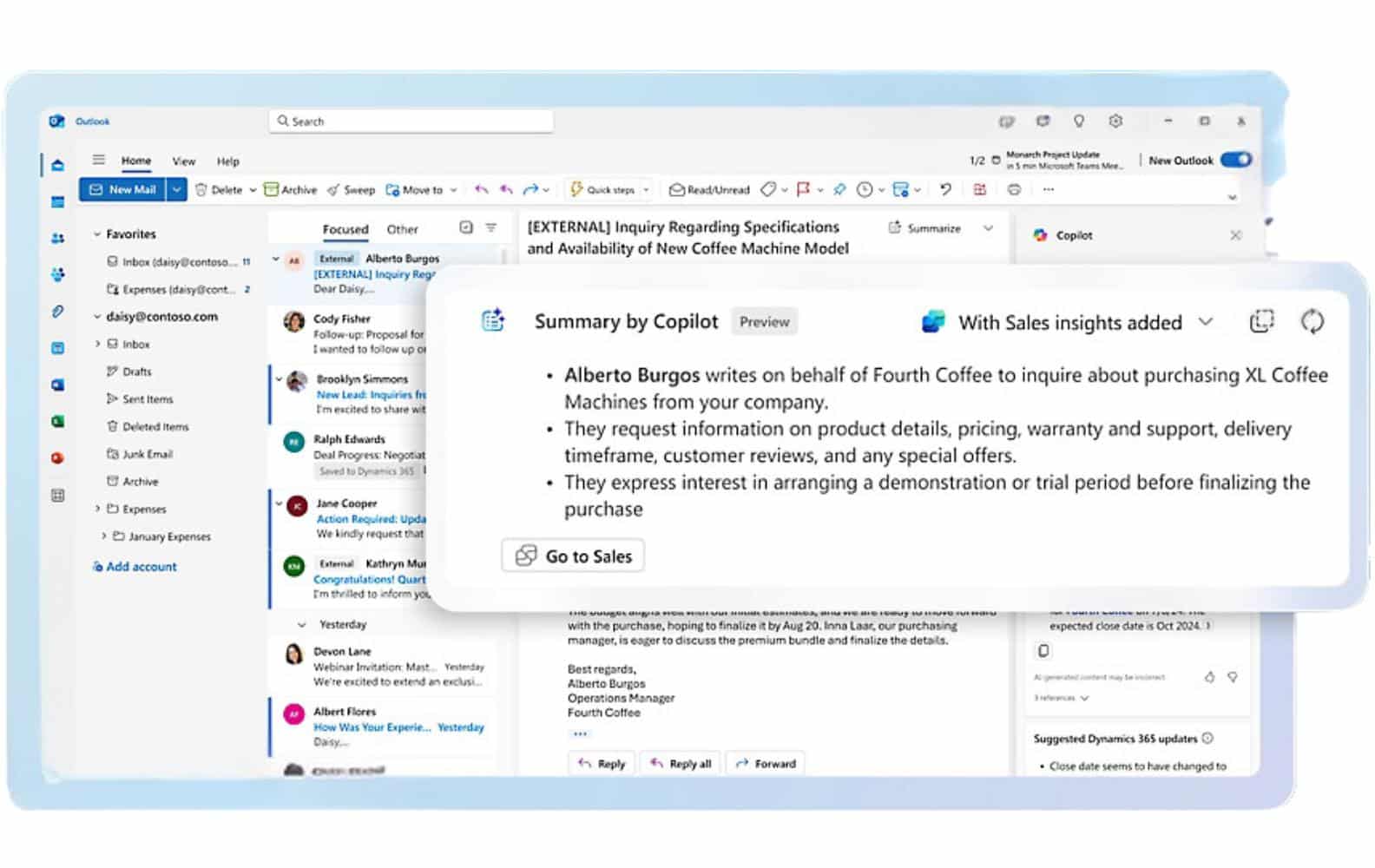
On the surface, Microsoft Copilot AI adoption looks simple. Licenses are assigned, users gain access, and AI features appear inside Outlook, Teams, and Word. However, without structure, governance, and training, usage quickly drops after the initial excitement.
This is why Microsoft Copilot AI adoption must be treated as a business transformation initiative rather than a technical rollout.
Why Microsoft Copilot AI adoption fails in real organizations
In many companies, Microsoft Copilot AI adoption fails not because of the technology, but because of the environment it is deployed into.
Copilot reflects your Microsoft 365 environment. It does not fix it.
If SharePoint is disorganized, Microsoft Copilot AI adoption will amplify that disorder. If permissions in Entra ID are inconsistent, Copilot will respect those limitations. If Teams usage is unstructured, the AI output will reflect fragmented collaboration.
Microsoft Copilot AI adoption only works when the underlying Microsoft 365 foundation is well governed.
Learn more about Microsoft 365 structure here:
Microsoft 365 Documentation
Explore Copilot capabilities here:
Microsoft Copilot Overview
Microsoft Copilot AI adoption starts with readiness, not licenses
Successful Microsoft Copilot AI adoption begins before any license is assigned.
Organizations that succeed typically start with a readiness assessment that includes Microsoft 365 architecture, SharePoint governance, Entra ID permissions, and Microsoft Purview data classification.
Without this step, Microsoft Copilot AI adoption becomes unpredictable.
With this step, Microsoft Copilot AI adoption becomes structured and measurable.
Read more about governance tools here:
Microsoft Purview Documentation
Microsoft Copilot AI adoption depends on people, not just technology
Even when the technical foundation is strong, Microsoft Copilot AI adoption can still fail if users are not prepared.
Employees need to understand how to apply AI in real business scenarios. Without guidance, Microsoft Copilot AI adoption remains limited to basic usage like email summarization.
Successful organizations treat Microsoft Copilot AI adoption as a behavioral change process, not just a training exercise.
They introduce role based enablement, internal AI champions, and structured use case workshops across departments.
Microsoft Copilot AI adoption and business transformation
As Microsoft Copilot AI adoption matures, organizations begin to see real operational change.
Meetings become structured with automated summaries. Reporting becomes faster. Document creation becomes more efficient.
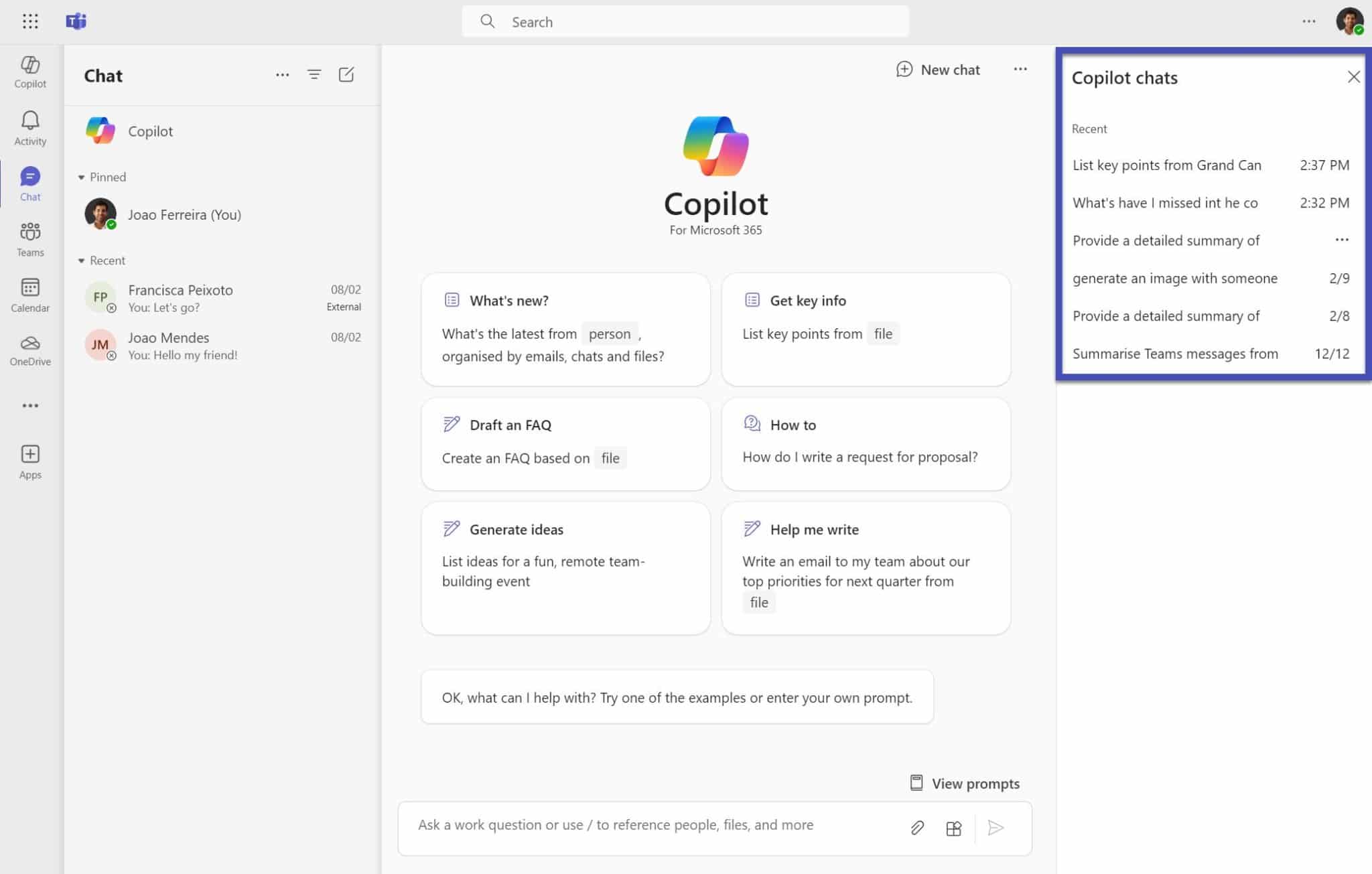
At this stage, Microsoft Copilot AI adoption expands into broader automation initiatives using tools like Copilot Studio and Power Automate.
Microsoft Copilot Studio
Power Automate
Internal links for Microsoft Copilot AI adoption strategy
For deeper context on Microsoft Copilot AI adoption strategies, you can explore:
Microsoft 365 Blog
Microsoft Cloud Consulting Services
Conclusion: Microsoft Copilot AI adoption is the real success factor
Microsoft Copilot AI adoption is not achieved by purchasing licenses. It is achieved through readiness, governance, training, and continuous improvement.
Organizations that treat Microsoft Copilot AI adoption as a transformation journey, not a product rollout, are the ones that see long term value.
In the end, Microsoft Copilot AI adoption is what separates basic usage from real business impact.